
Akagera National Park

Magashi Camp

by Wilderness

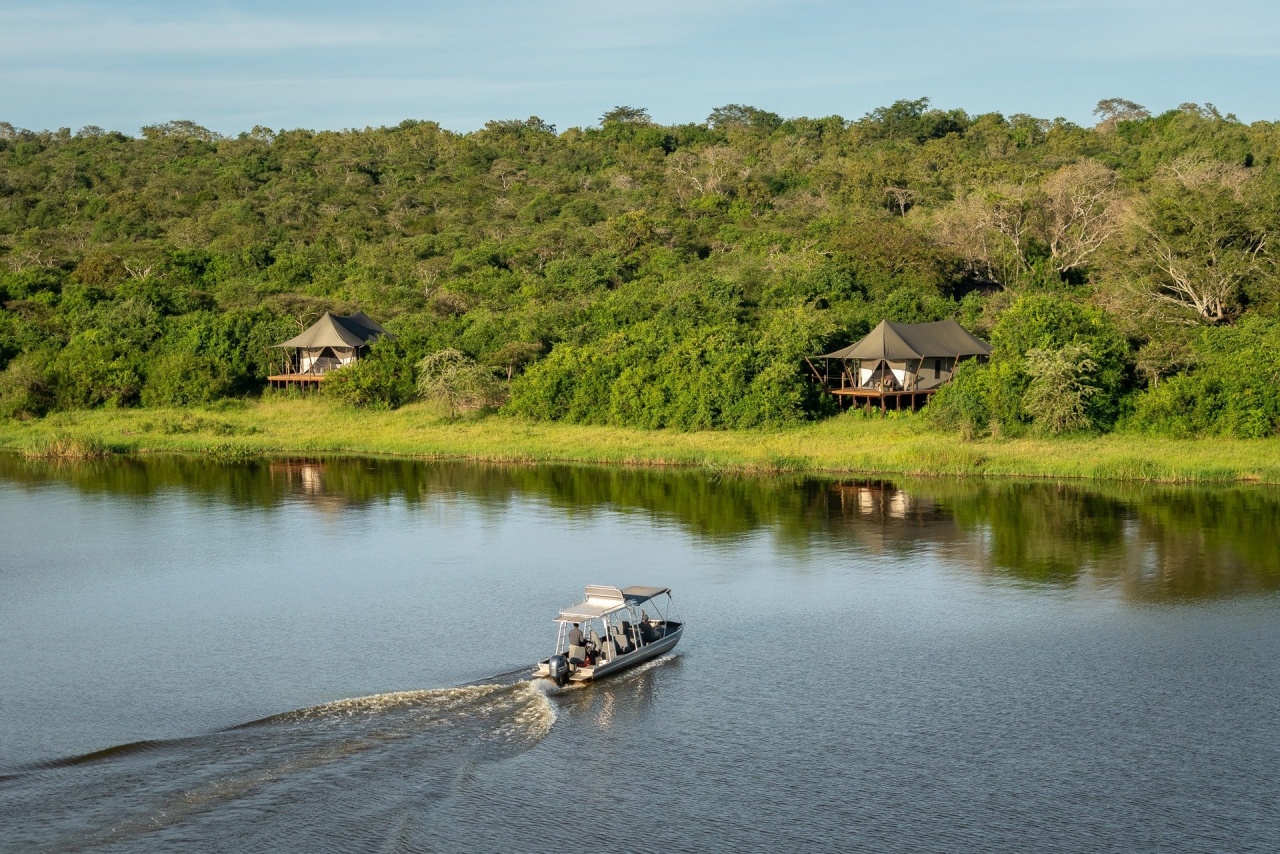
Magashi is Rwanda's savanna counterweight to the Virungas. Six tented suites sit on the shore of Lake Rwanyakazinga in the north-east corner of Akagera National Park, in what is widely held to be the park's richest game area — reintroduced lions and eastern black rhino, big buffalo herds, elephant, and one of the densest hippo populations on the continent.

Magashi Camp by Wilderness in Akagera National Park, Rwanda

At a glance

Rooms
6 tented suites (plus a 2-bedroom family suite)
Park
Akagera National Park, northern sector
Drive from Kigali
About 2.5 hours to the park, then into the northern sector
From Volcanoes NP
Roughly 5 – 6 hours by road, or a short charter flight
Wildlife
Big Six — including lion, rhino, elephant, buffalo, leopard and gorillas countrywide
Activities
Game drives, boat safaris, night drives, walking with a ranger
Basis
Fully inclusive — meals, house drinks, laundry, scheduled activities

The camp

The suites are canvas-and-timber, raised on decks, each with a private veranda over the lake. It is deliberately classic East African safari in feel — a contrast to the alpine, fireside mood of the gorilla lodges, which is exactly why the two work so well in one itinerary.

There is a pool, a shaded lounge and a firepit, and because the camp is small the guiding is close to private. Sound carries across the water at night: hippos, and often lions.

Game viewing at Magashi

Akagera's northern sector holds the highest concentration of game in the park, and Magashi is the only camp inside it. Lions, reintroduced in 2015, are regularly seen here; the eastern black rhino, brought back in 2017 and 2019, are harder but far from impossible.

The boat safari on Lake Rwanyakazinga is the signature activity — hippo pods at close range, huge crocodiles, and the shoebill among more than 480 recorded bird species in the park. Night drives, which are not permitted in Volcanoes National Park, produce genet, civet, bushbaby and occasionally leopard.

Pairing Akagera with the gorillas

Two or three nights at Magashi after the Virungas gives a trip its second act: mountains and mist, then savanna and heat. It also unlocks the discounted permit. Rwanda's standard gorilla permit is USD $1,500 per person, but a USD $1,050 rate applies when your trek is combined with visits to Akagera National Park and Nyungwe National Park in the same trip.

Practically, most travellers fly or drive Kigali to Akagera at the start or end of the itinerary rather than crossing the country in one day. We plan the routing so no single transfer day eats a whole day of your trip.

— Questions

Magashi Campanswered

Is Magashi Camp worth adding to a gorilla trekking trip?

For most travellers, yes. It adds the savanna half of Rwanda's Big Six, gives you boat safaris and night drives that Volcanoes National Park cannot offer, and helps qualify you for the discounted USD $1,050 gorilla permit when combined with Akagera National Park and Nyungwe National Park.

What animals can I see at Magashi Camp?

Lion, elephant, buffalo, eastern black rhino, leopard (elusive), giraffe, zebra, topi, eland, hippo, crocodile and over 480 bird species including the shoebill. The northern sector of Akagera where Magashi sits holds the park's highest game densities.

How do I get from Volcanoes National Park to Magashi Camp?

Roughly five to six hours by road across the country, or a short scheduled charter flight that turns the transfer into part of a morning. Most of our itineraries place Akagera at the start or end of the trip so travel days stay short.

— Bespoke Composition

Tailor your journey.

Tell us a little about how you travel. Our team will reply within 24 hours with a draft itinerary composed for you alone.

Private expeditions are typically composed from USD $10,500 per guest, fully inclusive of gorilla permits, lodging, guiding and transfers.

Curated by Gerry
Have questions first? See our Journey Guide