Why Rwanda Is Africa's Most Extraordinary Safari Destination in 2026
A country that nearly destroyed itself and chose instead to become one of the continent's most remarkable conservation stories. Why Rwanda now rivals — and in some ways surpasses — the classic safari circuit.
By Gerry Mutabazi
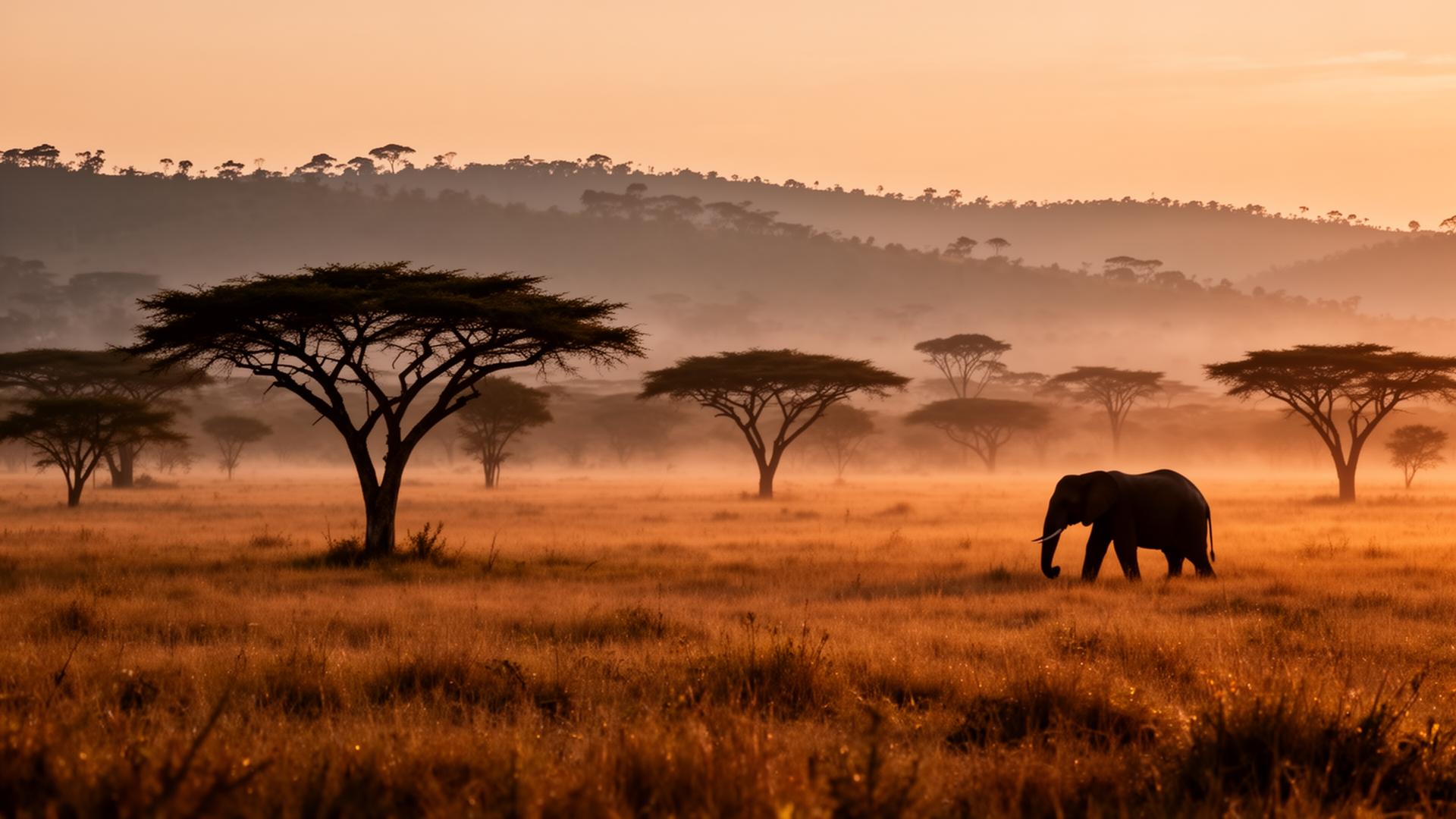
When most people imagine an African safari, they picture the Serengeti or the Masai Mara: vast, flat savanna, big five, and the annual migration. Rwanda offers something different — and, for a growing number of travellers, something more profound. It is a country that nearly destroyed itself and chose instead to become one of the continent's most remarkable conservation stories. That transformation has produced a safari experience unlike anywhere else on Earth.
The Conservation Miracle: Mountain Gorillas
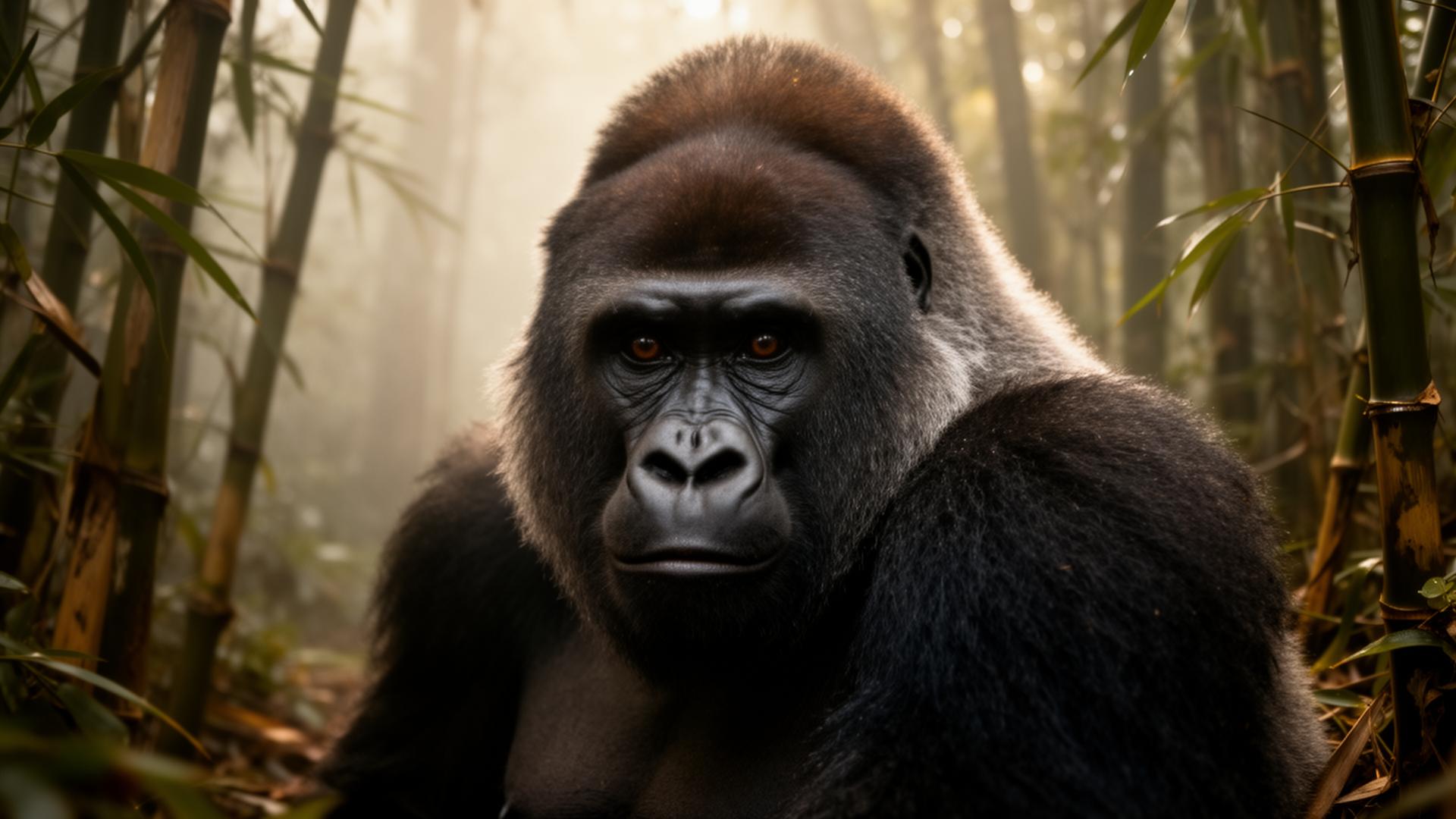
At the centre of Rwanda's wildlife story is the mountain gorilla. In the early 1980s, the Virunga gorilla population had fallen to an estimated 254 individuals — a figure so low that many conservationists believed extinction was inevitable. Habitat destruction, poaching, and the catastrophic instability of the region compounded the pressure.
Today, the mountain gorilla population has recovered to 1,063 individuals across the Virunga range and Uganda's Bwindi Impenetrable Forest, according to the 2018 IUCN census. In 2018, for the first time in the history of great ape conservation, a subspecies was moved from Critically Endangered to Endangered on the IUCN Red List. Rwanda's sustained conservation investment, including the revenue-sharing model that directs tourism income to communities living alongside the park, has been a defining factor in that recovery.
When you trek gorillas in Rwanda, you are witnessing — and funding — one of conservation's great second chances.
A Primate Diversity Found Nowhere Else
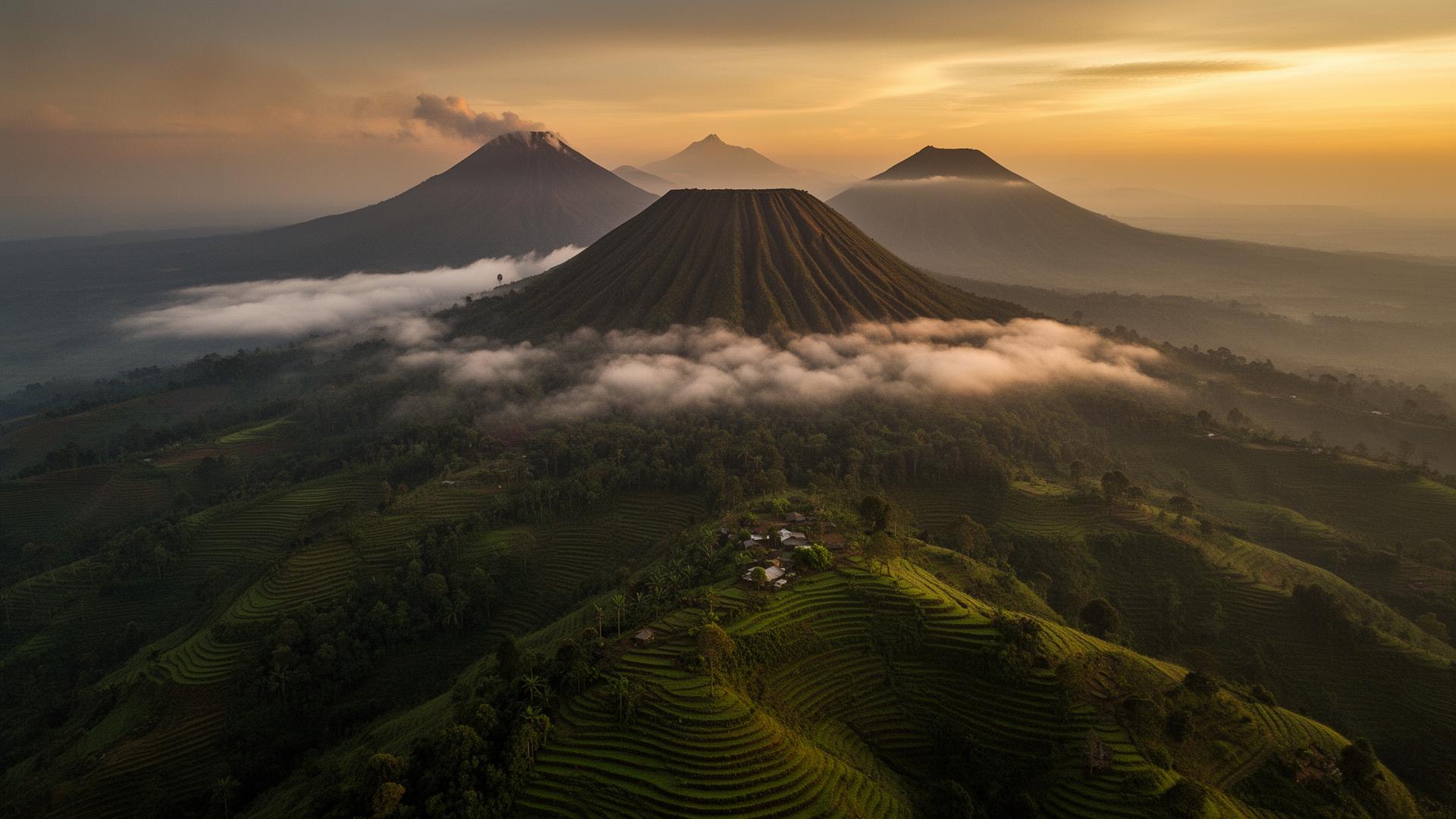
Rwanda's montane forests support a concentration of primate species that no comparably sized country on the continent can match. In addition to mountain gorillas, the forests of Volcanoes National Park are home to the golden monkey — an endemic Albertine Rift species classified as Endangered by the IUCN and found in the wild only in the Virunga mountains.
Moving south, Nyungwe National Park — a vast montane rainforest covering 1,020 square kilometres in south-west Rwanda — is home to chimpanzees and thirteen other primate species, including the Angola colobus and the L'Hoest's monkey. The canopy walkway through Nyungwe's upper forest is one of the few places on Earth where you can watch a colobus troop of 400 or more animals move through the trees overhead.
Akagera: Rwanda's Recovering Savanna
Rwanda is not only about forests and primates. Akagera National Park in the east of the country borders Tanzania and covers 1,122 square kilometres of savanna, wetland, and woodland along the Akagera River. After years of agricultural encroachment reduced the park to a fraction of its size in the 1990s, a partnership between the Rwanda Development Board and African Parks has overseen one of Africa's most successful park rehabilitation projects.
Lions, which had been locally extinct for decades, were reintroduced to Akagera in 2015. Black rhino were reintroduced in 2017. Today the park supports elephant, buffalo, hippo, leopard, giraffe, zebra, and a remarkable diversity of antelope species alongside its reintroduced apex predators. Akagera has become a compelling, genuinely wild Big Five destination.
Rwanda's Safety, Infrastructure, and Governance
Rwanda consistently ranks as one of Africa's safest and best-governed countries. Transparency International's Corruption Perceptions Index has ranked Rwanda among the least corrupt countries in sub-Saharan Africa for more than a decade. The World Bank has recognised Rwanda as one of the world's top-ten improvers in its Doing Business report.
Kigali, the capital, is consistently cited as one of Africa's cleanest and most orderly cities — a practical reality that matters to travellers arriving after long-haul flights and navigating onward connections. Rwanda has invested heavily in its tourism infrastructure: Kigali International Airport handles direct connections from major European and regional hubs, with RwandAir operating an expanding network. Roads to the northern parks are paved and well-maintained.
The Scale Advantage: Small, Concentrated, Unforgettable
Rwanda is a small country — roughly the size of Wales or the state of Maryland. What this means in practice is that a seven to ten-day itinerary can include three entirely different biomes and wildlife experiences without the exhausting internal flights and long transfer times that characterise a multi-country East Africa circuit.
A well-composed Rwanda itinerary might begin with two days in Kigali — including the Kigali Genocide Memorial and the city's emerging arts and dining scene — before moving north to Volcanoes National Park for gorilla trekking and golden monkey tracking, then east to Akagera for savanna game drives, and finally south to Nyungwe for canopy walks and chimpanzees. That is four distinct ecosystems and four distinct wildlife experiences in a single country, without a single internal flight.
Responsible Tourism That Makes a Difference
Rwanda's tourism model is deliberately premium and deliberately limited. The government has chosen to grow tourism through high-value, low-volume principles — investing in infrastructure and conservation rather than maximising visitor numbers. The gorilla permit price, the strict limits on trekking group sizes, and the revenue-sharing framework that benefits communities around the parks are all expressions of the same philosophy: that sustainable wildlife tourism can only exist if it generates meaningful returns for conservation and for people.
For travellers who want their expenditure to mean something beyond the experience itself — who want to know that their visit contributes to the survival of the gorillas they encounter — Rwanda is a straightforward answer. The conservation fee is explicit, the programmes it funds are documented, and the results are measurable. The population trend is upward. The gorillas are coming back.