Volcanoes National Park Rwanda: Your Complete 2026 Visitor Guide
Rwanda's crown jewel — where mountain gorillas were first studied, golden monkeys roam the bamboo, and five volcanoes invite the most dramatic hiking in East Africa.
By Gerry Mutabazi
Volcanoes National Park is Rwanda's crown jewel. It is the place where mountain gorillas were first studied by Dian Fossey, where Rwanda's extraordinary conservation turnaround became visible to the world, and where some of Africa's most extraordinary wildlife experiences are concentrated within a landscape of almost otherworldly beauty. If you are planning a Rwanda safari, this park will almost certainly be the centrepiece of it.
Overview and Location
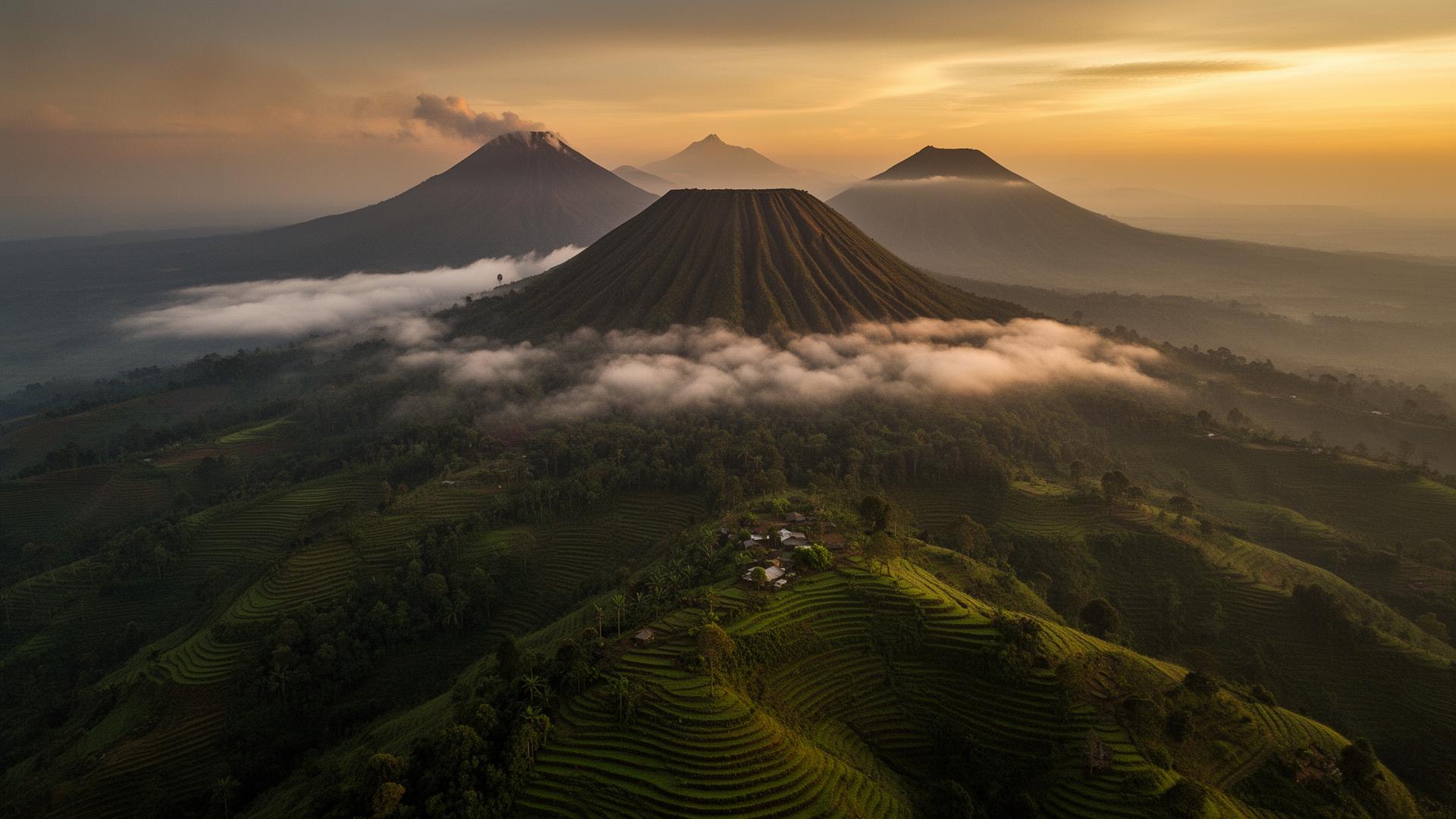
Volcanoes National Park sits in north-west Rwanda in the Virunga Massif, a chain of eight volcanoes — five of which fall within Rwanda's borders — that straddles Rwanda, Uganda, and the Democratic Republic of Congo. The park covers 160 square kilometres and ranges in altitude from approximately 2,400 metres at the forest edge to 4,507 metres at the summit of Mount Karisimbi.
The park was first gazetted in 1925 as Albert National Park under Belgian colonial administration — one of Africa's earliest protected areas — and was later renamed and managed independently following Rwandan independence. Today it is administered by the Rwanda Development Board (RDB) and is the country's most visited national park.
The nearest town is Musanze (formerly Ruhengeri), approximately 12 kilometres from the park headquarters at Kinigi. Kigali International Airport is about 110 kilometres south-east — typically two hours by road. The drive itself, through Rwanda's green terraced hillscapes, is part of the experience.
Mountain Gorilla Trekking
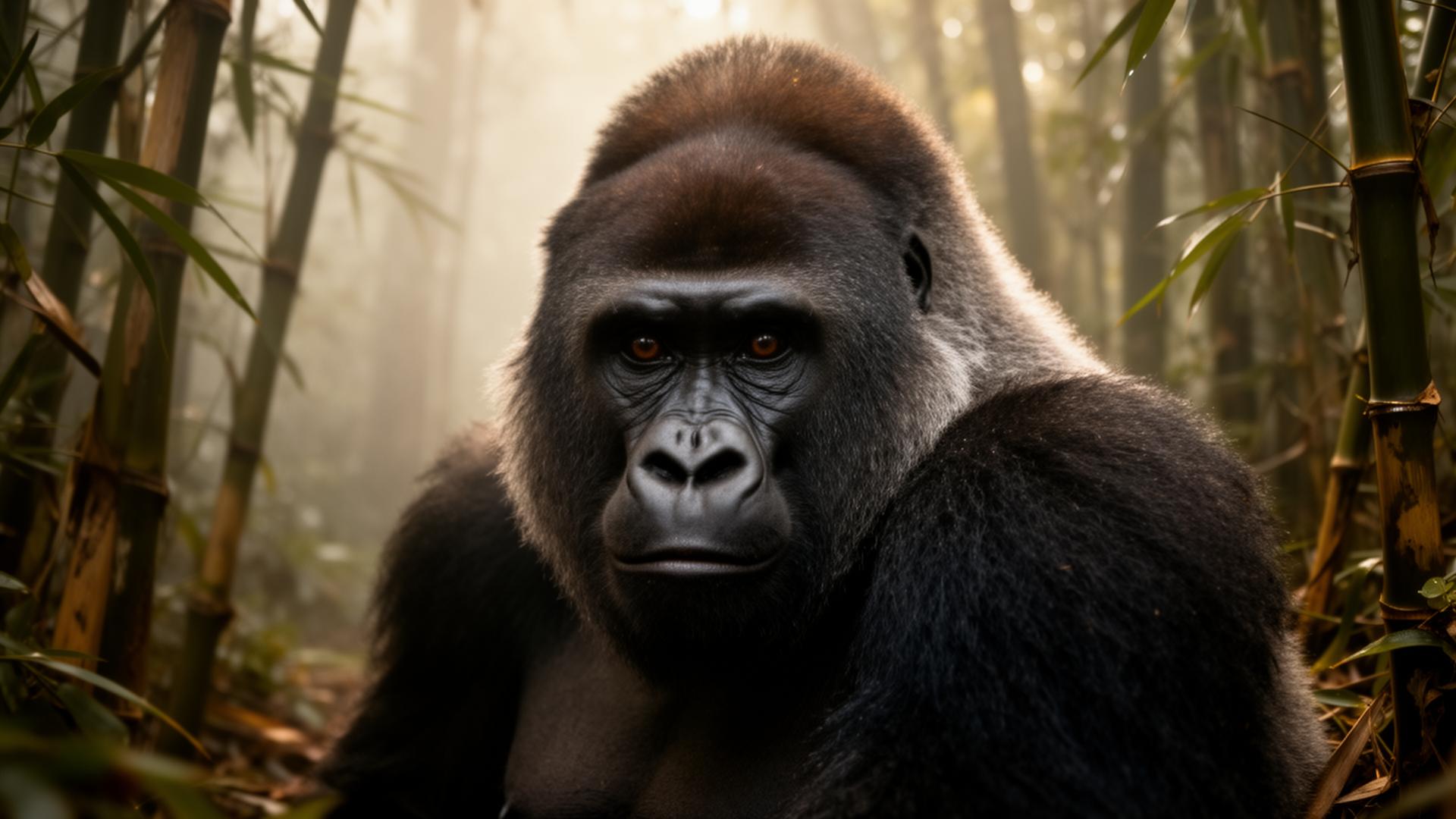
The park is home to multiple habituated mountain gorilla families, all available for tourist trekking under the RDB's strictly managed permit system. Rwanda currently offers trekking to more than a dozen gorilla families, making it the destination with the widest choice of habituated families for a single-country gorilla experience.
Each family has its own character and dynamics: some are large, multi-silverback groups with dozens of members; others are smaller and quieter. Your assigned family on any given day depends on permit allocation, but a good operator will communicate family options and, where possible, match you to the experience that suits your group.
Gorilla permits cost USD $1,500 per person and must be arranged in advance. See our complete guide to gorilla trekking for detailed advice on permits, preparation, and what to expect on trek day.
Golden Monkey Tracking
Volcanoes National Park is one of only two places in the world where the endangered golden monkey (Cercopithecus kandti) can be tracked in the wild. This endemic Albertine Rift primate is found only in the bamboo zones of the Virunga mountains and is classified as Endangered on the IUCN Red List.
Golden monkey tracking is a shorter, less strenuous experience than gorilla trekking and is often paired with it on a multi-day itinerary — either the day before or after a gorilla trek. The monkeys move quickly through the bamboo forest and can be astonishingly acrobatic. Permits are considerably less expensive than gorilla permits and more readily available.
Volcano Hikes
Beyond primates, Volcanoes National Park offers some of the most dramatic hiking in East Africa. The five volcanoes within the park range from accessible day hikes to serious multi-day summits:
- Mount Bisoke (3,711m) — the most popular hike. A full-day return trek to the crater summit, which holds a beautiful crater lake. Moderate to strenuous.
- Mount Karisimbi (4,507m) — Rwanda's highest peak. A two-day summit trek with a high-altitude camp overnight. Demanding, cold, and extraordinarily rewarding. Dian Fossey is buried near the base.
- Mount Sabyinyo (3,645m) — a challenging hike with a unique reward: its triple summit sits at the junction of Rwanda, Uganda, and the DRC.
- Mount Muhabura (4,127m) — a strenuous full-day hike to a crater lake summit. Best for experienced trekkers.
- Mount Gahinga (3,474m) — the shortest and gentlest of the volcano hikes, with a crater bog at the summit.
All hikes require an RDB permit and must be conducted with a ranger guide. The park entrance and permit desk is at Kinigi.
The Dian Fossey Tomb and Research Centre
For those interested in the history of gorilla conservation, a visit to the Dian Fossey Karisoke Research Centre site on the slopes of Mount Karisimbi is profoundly moving. Fossey founded Karisoke in 1967 and worked there until her murder in 1985, producing research that transformed human understanding of mountain gorilla behaviour and created the scientific and moral case for their protection. She is buried beside her most famous study subject, Digit, at the research camp site.
Wildlife Beyond Gorillas
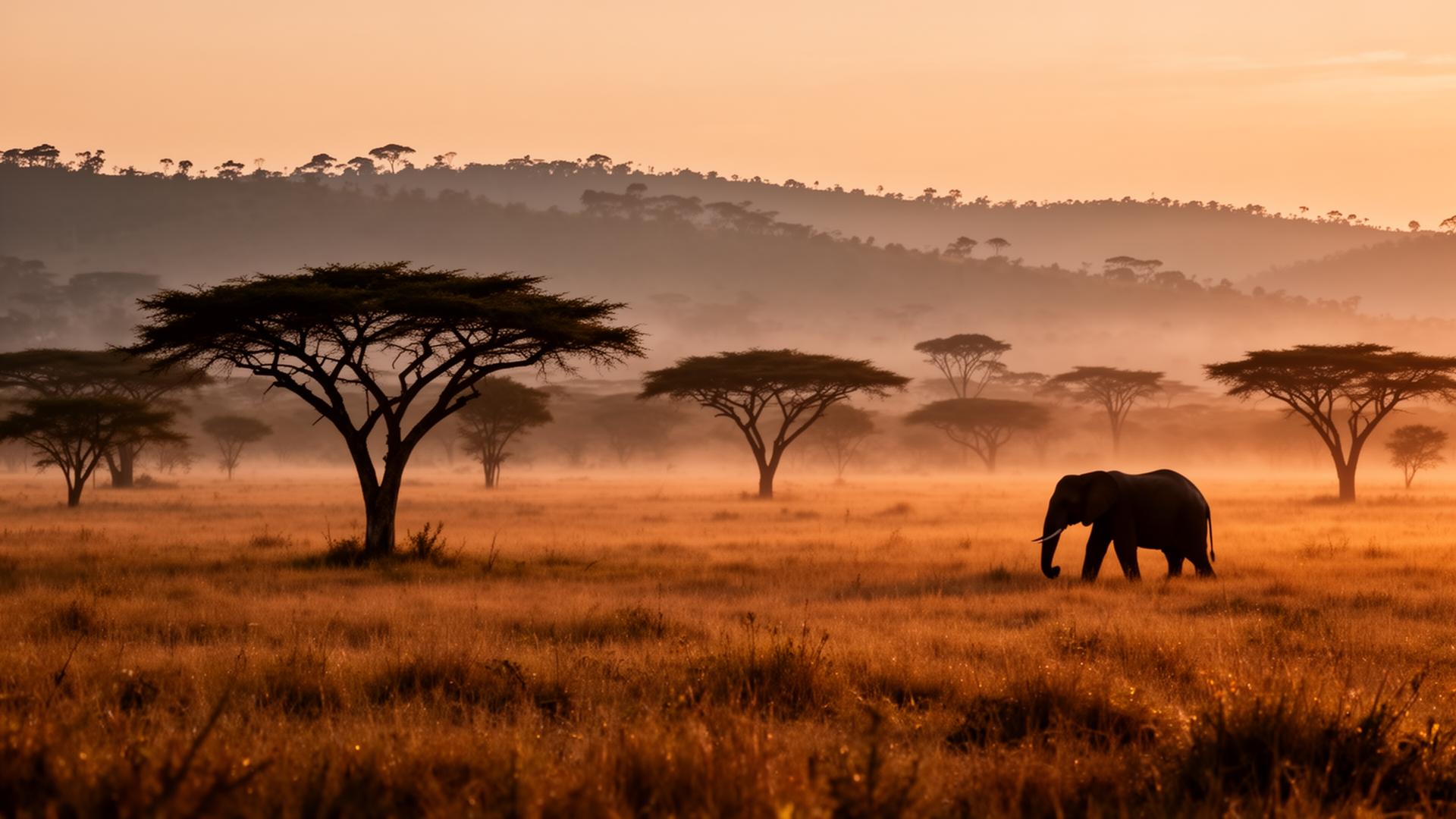
The park's montane forests support a remarkable concentration of biodiversity. Recorded wildlife includes the rare and elusive forest elephant, African buffalo, black-fronted duiker, and over 178 species of birds including the Rwenzori turaco, handsome francolin, and various Albertine Rift endemics that draw serious birders from around the world. The Albertine Rift is one of Africa's most important centres of bird endemism.
Best Time to Visit
The park can be visited year-round, but the two dry seasons offer the most comfortable conditions. June to September is the main high season — trails are firm, skies are often clear in the morning, and the summit hikes are most accessible. December to February offers a quieter alternative. The rainy seasons (March–May and October–November) bring lush vegetation, dramatic mist and light, and uncrowded trails.
Lodges and Accommodation
A cluster of Rwanda's finest lodges is positioned close to the park, allowing guests to wake within sight of the volcanoes and be at the park headquarters in minutes. Properties in this area include Bisate Lodge, One&Only Gorilla's Nest, Singita Kwitonda, and the Governors' Camp properties — all representing the upper tier of African lodge experiences. Staying on the park boundary eliminates the pre-dawn commute and allows for a more unhurried morning on trek day.